Community Connection
-
Areas of Focus
A trauma-informed lens on storytelling, healing, and inherited memory
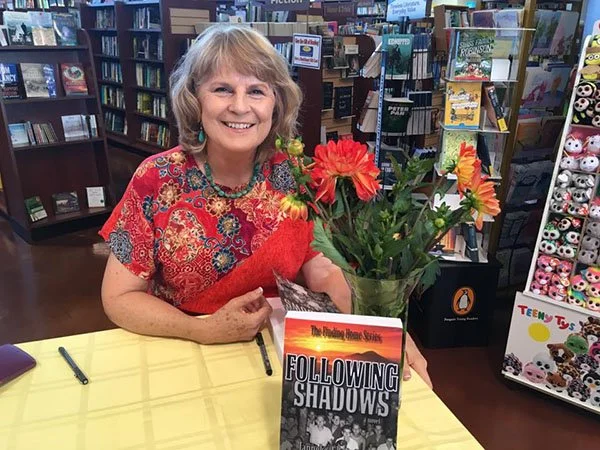
Insights from Following Shadows and the real family narratives that inspired the novel
Discussion of intergenerational trauma and how silence, shame, and resilience move through family systems
Reflections from 30+ years as a psychotherapist, specializing in trauma, recovery, and dual-diagnosis care
Gentle education on trauma-informed environments, including schools, treatment programs, and community spaces
A compassionate conversation about addiction, loss, and survival
Audience Q&A rooted in safety, curiosity, and respect
Optional book signing and personalized discussion with attendees
-
Creating Trauma-Informed Spaces & Support Systems:
Trauma-informed classrooms and school communities
Trauma-informed treatment programs
Safe, trauma-responsive environments
Compassionate chemical dependency treatment
Integrated dual-diagnosis support
Caring psychotherapists and counselors
Social workers dedicated to whole-person care
-
Trauma-Informed Practice Areas
Personal and professional renewal
Clinical supervision
School-based trauma-informed education
Trauma-informed behavioral and mental health treatment
Trauma-sensitive organizational and environmental design
Chemical dependency and substance-use disorder treatment
Dual-diagnosis (co-occurring disorders) treatment
Psychotherapy and counseling services
Social work and community support services
-
Pick from topics which blend Janneke’s professional background as a speaker, trainer, and trauma resolution psychotherapist.
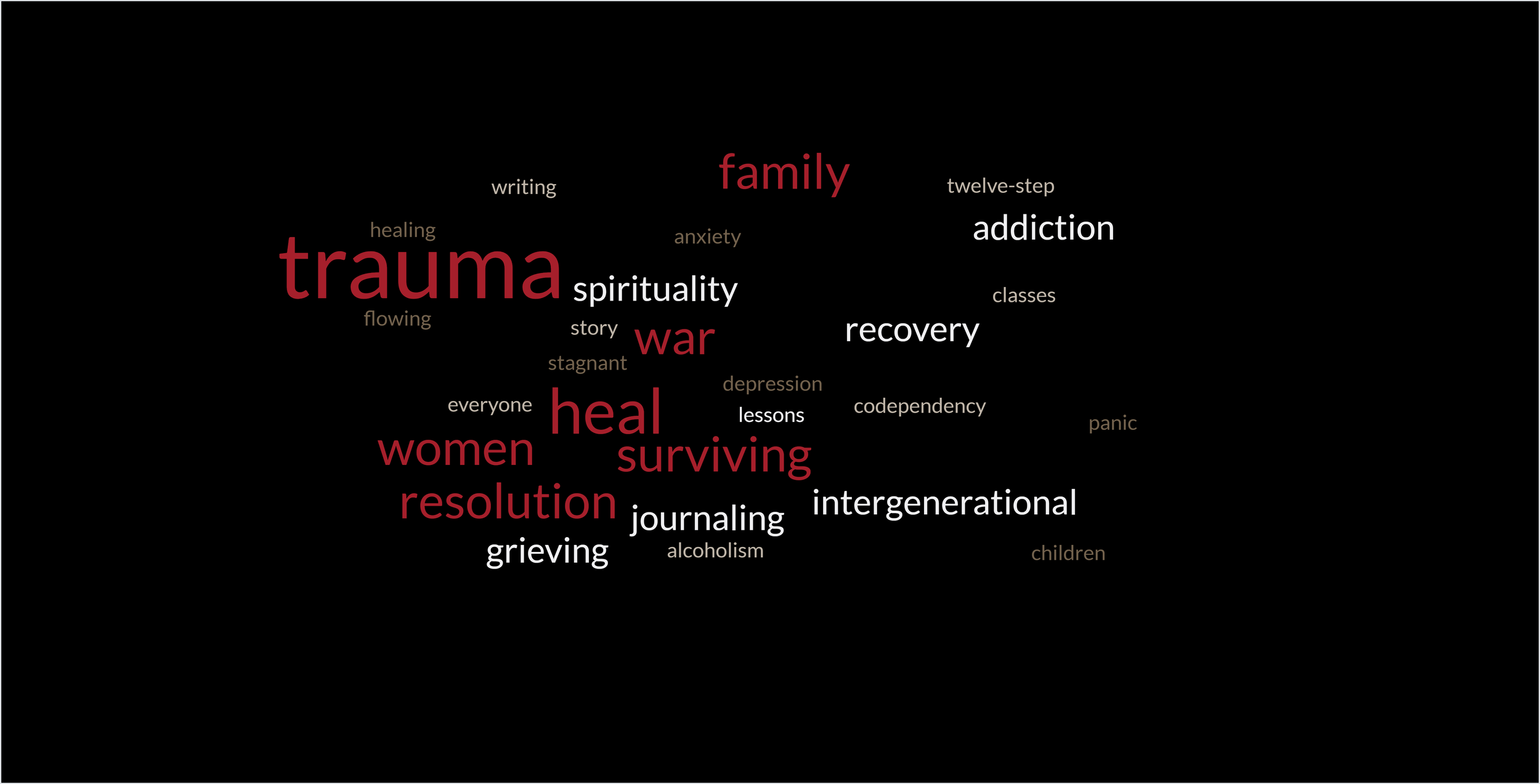
Topics
Lessons of WWII
Anxiety/ Panic Recovery
Children of War
Depression – from Stagnant to Flowing
EMDR for Trauma Resolution
Grieving and Healing
Intergenerational Trauma
Spirituality and Trauma
Trauma Resolution
Twelve-Step Recovery
Women Surviving War
Writing Classes
Journaling to Heal
Everyone has a Story- your Memoir
Jump Start your Novel
-
Janneke approaches every client, reader, and story with an understanding that trauma shapes how we think, feel, and connect. Being trauma-informed means honoring safety, choice, and compassion, creating an environment where experiences are met with gentleness, not judgment.
-
Yes. With more than thirty years of clinical experience, Janneke specializes in chemical dependency treatment, co-occurring disorders, PTSD, grief, and intergenerational trauma. Her work blends clinical skill with deep humanity.
-
Janneke’s novel Following Shadows is rooted in the truth that unspoken trauma can echo across generations. Her fiction and therapeutic work share the same purpose: to give voice to what has been carried silently and to offer pathways toward healing and hope.
-
She consults with schools, treatment programs, psychotherapists, social workers, and community organizations seeking to build trauma-responsive systems. Her focus is always on creating spaces where people feel seen, safe, and supported in their healing.
-
Her style is warm, grounded, and collaborative. She draws from EMDR, depth psychology, addiction recovery models, and family systems work — meeting each person exactly where they are while guiding them toward integration and empowerment.
-
Absolutely. Janneke welcomes those taking their first steps toward healing, as well as individuals, couples, and families with long histories in therapy or recovery. Her approach adapts gently to each person’s pace and needs.
-
To bring light to what has been hidden, honor the stories that shaped us, and support healing across generations, one truth, one breath, one connection at a time.
Resources
Immediate Crisis Support
988 Suicide & Crisis Lifeline: Call or text 988 anytime for free, confidential, 24/7 support. You can also chat online at 98Lifeline.org.
Veterans Crisis Line: Call 988 and press 1, text 838255, or chat online to connect with a responder trained to support veterans.
Crisis Text Line: Text "HOME" to 741741 to connect with a crisis counselor (data rates may apply).
Support Groups and Other Resources
National Alliance on Mental Illness (NAMI): Provides education and support. You can find local support groups and programs by contacting a local NAMI affiliate.
Mental Health America: Offers a comprehensive list of support groups and organizations for various mental health conditions.
National Institute of Mental Health (NIMH): Provides information on finding help, including a list of organizations and treatment locators.
FindTreatment.gov: A confidential and anonymous resource for locating mental and substance use disorder treatment.
Disaster Distress Helpline: Provides 24/7 crisis counseling for people experiencing emotional distress related to a natural or human-caused disaster.